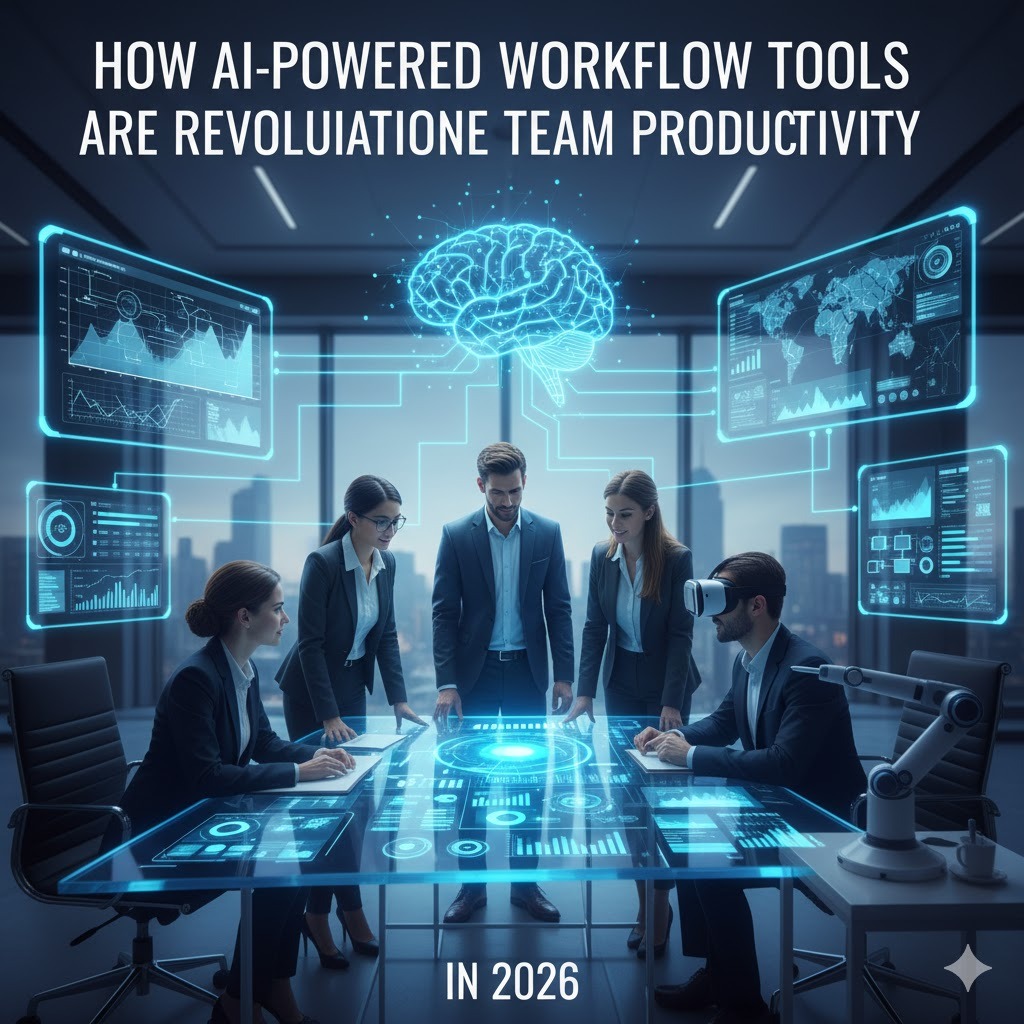
How AI-Powered Workflow Tools Are Revolutionizing Team Productivity in 2026
In 2026, B2B SaaS companies face unprecedented challenges in productivity, collaboration, and workflow management. Teams are often juggling multiple tools, repetitive tasks, and unclear processes, slowing down growth and revenue.
AI-powered workflow tools are transforming the way businesses operate. By automating repetitive tasks, providing actionable insights, and centralizing collaboration, these tools enable teams to achieve higher efficiency, faster project delivery, and measurable ROI.
In this guide, we’ll explore:
- The biggest productivity challenges for modern SaaS teams
- How AI workflow tools solve these challenges
- Key benefits and features
- Real-world examples and implementation strategies
- Future trends in SaaS automation
By the end, you’ll have a roadmap to boost team productivity and scale your SaaS business efficiently.
Ready to transform your team’s workflow? Start your free trial with FlowTrack today.
The Cost of Inefficient Workflows for SaaS Teams
Inefficient workflows cost B2B SaaS companies millions in lost productivity every year. Studies show that employees spend up to 40% of their workweek on repetitive tasks instead of value-generating activities. This not only slows product development but also delays customer onboarding and feature rollouts.
Consider a mid-sized SaaS company with 50 employees. If each employee spends 5 hours a week on manual reporting and follow-ups, the company loses 12,500 hours annually, which could otherwise be allocated to product innovation or client acquisition.
AI workflow tools help reclaim this lost time by automating repetitive processes, allowing teams to focus on strategic and revenue-driving tasks.

The Productivity Challenge in Modern SaaS Teams
Modern B2B SaaS teams face common productivity issues:
- Fragmented workflows — Multiple tools without integration cause confusion.
- Repetitive tasks — Employees spend hours on manual reporting, task assignment, and follow-ups.
- Delayed communication — Important updates get lost in email chains.
- Lack of actionable insights — Managers often make decisions based on incomplete data.
- Scaling pain points — As teams grow, processes become harder to manage manually.
Even with project management tools, teams struggle to centralize workflows, coordinate across departments, and maintain efficiency.
Traditional workflow tools cannot handle these challenges effectively. That’s why AI-powered workflow software is now essential for SaaS companies looking to scale and improve efficiency.
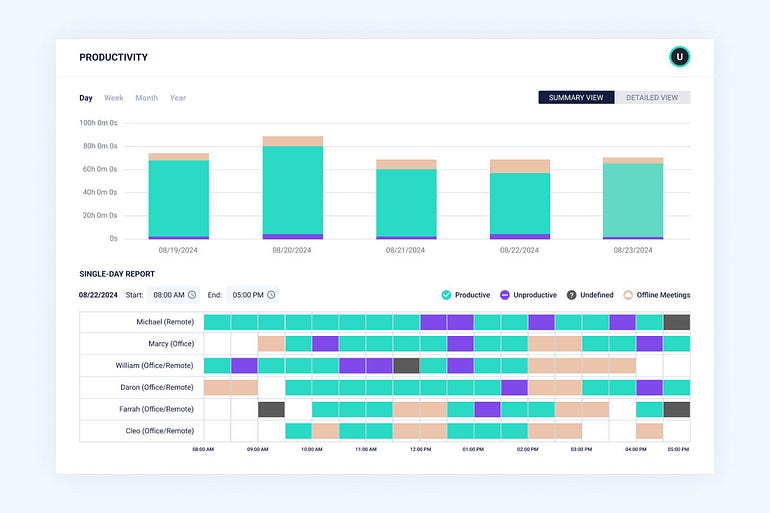
Hidden Challenges Many SaaS Teams Overlook
- Siloed Data — Teams often cannot access real-time data from other departments, leading to duplicated efforts.
- Manual Error Risks — Even a simple data entry mistake can cause significant project delays.
- Employee Burnout — Repetitive tasks without automation increase stress and reduce job satisfaction.
- Delayed Customer Feedback Loop — Without streamlined workflows, actionable customer insights are delayed, impacting product improvement cycles.
Adding AI-powered workflow tools not only addresses these issues but also prevents them from scaling as the company grows.
How AI Workflow Tools Solve These Challenges
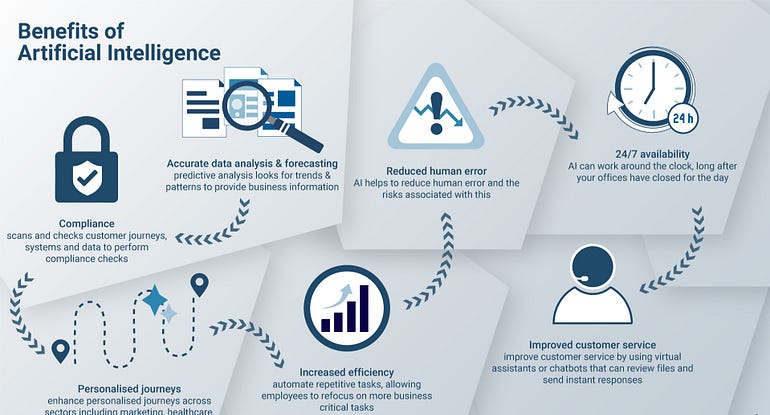
AI workflow tools combine automation, predictive analytics, and real-time collaboration. Here’s how they help:
- Automated Task Assignment: AI identifies bottlenecks and assigns tasks intelligently.
- Smart Notifications: Prioritize important updates and reduce email overload.
- Predictive Analytics: Forecast project timelines and resource needs.
- Centralized Collaboration: All tasks, files, and updates in one platform.
- Error Reduction: Automation minimizes human mistakes in repetitive processes.
Companies using AI workflow tools report a 30–50% increase in productivity and faster project completion.
Automation minimizes mistakes in reporting, data entry, and repetitive tasks.
Boost productivity today — try FlowTrack’s AI automation platform free for 14 days.
AI in SaaS Beyond Task Management
While task automation is the core benefit, AI workflow tools also contribute to strategic decision-making. For example:
- Predictive Customer Insights: AI analyzes usage data and predicts churn risks or upsell opportunities.
- Intelligent Resource Allocation: Assigns team members to tasks based on skill level, availability, and past performance.
- Automated Reporting: Generates dashboards and insights without manual spreadsheet compilation.
- Continuous Optimization: AI learns from previous workflows and suggests improvements over time.
Experience AI-powered strategic insights — start a free trial today.
Key Benefits of AI-Powered SaaS Tools
1. Increase Team Efficiency
AI handles repetitive workflows so teams can focus on high-value tasks.
2. Enhance Collaboration
Real-time dashboards and notifications ensure team alignment.
3. Data-Driven Decision Making
Analytics give managers actionable insights for better strategy execution.
4. Scalable Operations
AI tools grow with your team without needing more hires.
5. Reduce Errors
Eliminate mistakes in reporting, task tracking, and repetitive tasks.
Experience smarter team management — start your free AI workflow trial now.
Quantifying ROI of AI Workflow Tools
Companies adopting AI workflow tools often see measurable ROI in the first quarter. Examples include:
- Time Savings: 20–40% reduction in repetitive tasks.
- Revenue Growth: Faster project completion accelerates product launches, increasing customer acquisition.
- Employee Retention: Reduced burnout leads to happier, more productive teams.
- Operational Transparency: Managers can make informed decisions with real-time workflow analytics.

Must-Have Features in AI Workflow Software
- Cloud-Based Platform: Enables remote collaboration and flexibility.
- Customizable Workflows: Adapt to your team’s processes and goals.
- Integration Capabilities: Works with Slack, Jira, Trello, Google Drive, etc.
- AI-Driven Analytics: Provides insights on productivity and bottlenecks.
- User-Friendly Interface: Encourages team adoption without steep learning curves.
Advanced Features for Enterprise SaaS Teams
For larger SaaS companies, certain advanced AI features are crucial:
- Multi-Team Collaboration: Allow multiple departments to collaborate on shared projects without losing visibility.
- Role-Based Permissions: Protect sensitive data while enabling collaboration.
- Custom AI Workflow Templates: Pre-built automation for common SaaS tasks like onboarding, lead scoring, and bug tracking.
- Integration with CRM & ERP Systems: Seamless connection with existing business tools.
- AI-Powered Notifications & Alerts: Proactively alert teams about delays, bottlenecks, or upcoming deadlines.
These features ensure the AI tool scales with enterprise growth while improving efficiency at every level.
Real-Life Examples / Case Studies
Example 1: FlowTrack SaaS
FlowTrack reduced manual reporting by 40% and increased project delivery speed by 35% after implementing AI workflow automation.
Example 2: VaultFund Fintech SaaS
VaultFund integrated AI-powered email automation and task management, boosting lead conversion by 22% within a quarter.
Example 3: Enterprise SaaS Solution
A 500-employee SaaS company improved cross-department collaboration by 50% after deploying AI workflow dashboards.
Case Study 1: SaaS Customer Support Platform
A SaaS customer support company integrated AI workflow tools to automate ticket routing and agent task management. Results after 6 months:
- 50% reduction in response time
- 30% increase in customer satisfaction scores
- 25% reduction in operational costs
The AI tool also provided real-time analytics, enabling managers to proactively identify staffing gaps and improve resource allocation.
Case Study 2: SaaS Marketing Automation Platform
Marketing teams leveraged AI workflow tools for automated lead nurturing campaigns. Results:
- 35% increase in qualified leads
- 20% faster campaign execution
- Improved collaboration across content, design, and marketing teams
These examples show that AI workflow adoption directly impacts both productivity and revenue, making it a must-have investment.
See real results — schedule a demo and watch your team’s productivity soar.
How to Implement AI Workflow Tools Successfully
- Audit Current Workflows — Identify bottlenecks and repetitive tasks.
- Set Measurable Goals — Define KPIs such as time saved, project completion rate, and ROI.
- Select the Right Tool — Ensure it integrates with your existing software stack.
- Train Your Team — Smooth onboarding accelerates adoption and effectiveness.
- Monitor and Adjust — Use analytics to continually improve workflow efficiency.
Common Pitfalls to Avoid When Implementing AI Tools
- Skipping Team Training: Even the best AI tool fails without proper onboarding.
- Over-Automation: Some tasks require human judgment; don’t automate critical decisions.
- Ignoring Analytics: AI insights are only valuable if acted upon.
- Poor Integration Planning: Ensure AI workflows integrate seamlessly with existing systems.
- Lack of Iteration: Continually optimize workflows based on performance data.
Avoid pitfalls and maximize AI efficiency — start a free trial now.
Future Trends in SaaS Workflow Automation
- AI-Powered Chatbots — Automating internal support and HR queries.
- Predictive Project Analytics — Anticipate delays and resource needs.
- Automated Compliance & Security Monitoring — Reduce risk and errors.
- Personalized Workflow Suggestions — AI adapts workflows for individual employees.
Emerging AI Workflow Innovations
- Voice-Activated Workflow Commands: Teams can manage tasks using voice assistants.
- AI-Powered Predictive Collaboration: AI predicts when teams need additional support or resources.
- Self-Healing Workflows: AI detects errors in real-time and corrects processes automatically.
- Cross-Platform Automation: Automate workflows across multiple SaaS tools without manual syncing.
Maximizing Team Adoption and ROI
- Gamify Workflow Adoption: Reward teams for completing tasks efficiently.
- Measure Progress with Dashboards: Track KPIs and share success stories internally.
- Regular Feedback Loops: Allow team members to suggest workflow improvements.
- Integrate AI Across Departments: Don’t limit to one team; use AI across marketing, support, and product teams.
Additional Tips to Maximize ROI
- Start small with one team or department.
- Track metrics carefully (time saved, efficiency gains, cost reduction).
- Combine AI with human oversight to maintain quality.
- Regularly update workflows to align with evolving business processes.
Unlock your team’s productivity potential — start a free AI workflow trial today.
AI-powered workflow tools are no longer optional. They are essential for modern B2B SaaS teams aiming to increase productivity, reduce errors, and scale operations efficiently. Companies that adopt these tools gain a measurable edge, automating repetitive tasks, enhancing collaboration, and leveraging data-driven insights for smarter decision-making.
Ready to take your team’s productivity to the next level?
Start your free trial with FlowTrack today and experience AI-powered efficiency like never before.
Post a comment